Is Bodrum Set for a Private Jet Surge This Summer?
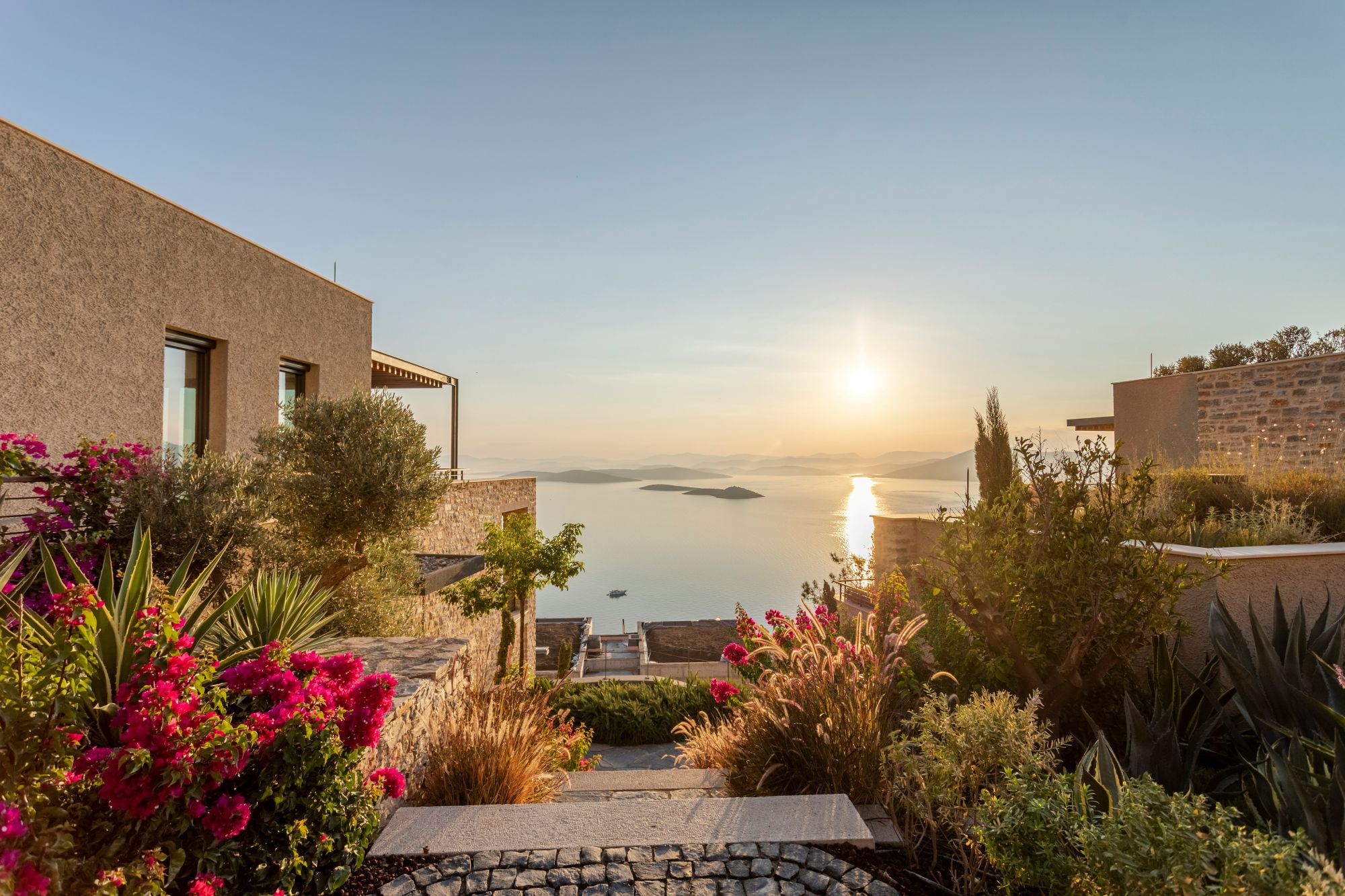
Bodrum is no longer operating at the margins of the Mediterranean luxury circuit - it is moving decisively towards the centre. For years, the default destinations for both superyachts and private jets remained firmly anchored in the western Mediterranean, orbiting the Côte d’Azur and the Balearics, but that is slowly shifting.
The catalyst has been a broader eastward shift in high-net-worth travel patterns. The Aegean is no longer simply an extension of a Western Mediterranean itinerary, but an increasingly deliberate choice, driven by improved infrastructure, regulatory clarity and a more composed, less saturated environment. Greece and Turkey have both made meaningful progress in simplifying yacht charter licensing and marina frameworks, while quietly investing in high-end hospitality and residential stock.
Private aviation naturally follows that concentration of demand: where clients choose to spend time, whether on land or at sea, aircraft movements tend to consolidate. The next wave of hotel openings, alongside the continued expansion of branded residences and managed estates, is only reinforcing that momentum, positioning destinations such as Bodrum as fully rounded alternatives to their Western Mediterranean counterparts.
Arriving by Private Jet
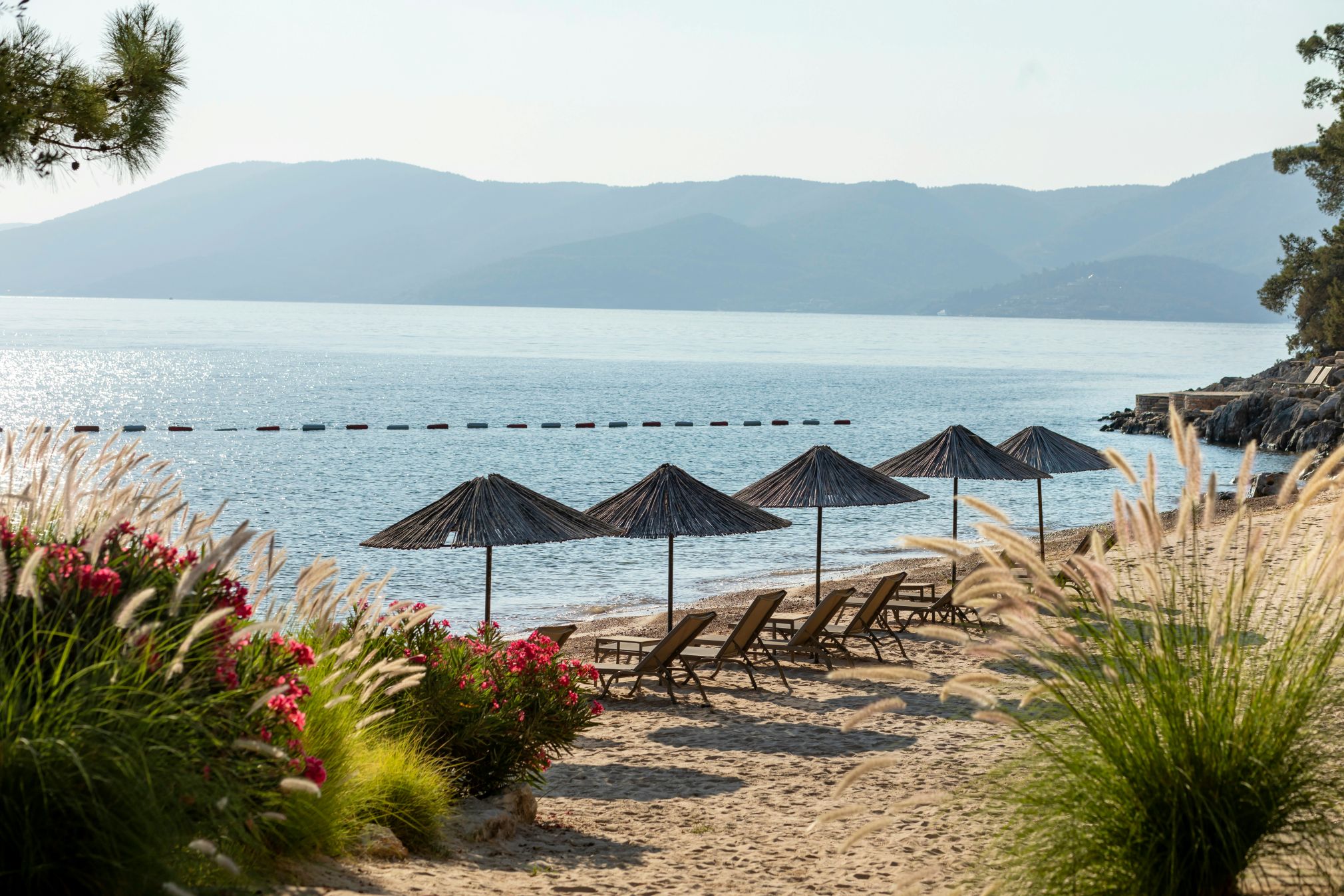

Milas–Bodrum Airport has a 3,000-metre runway that accommodates the full spectrum of private aircraft, from midsize jets through to ultra-long-range platforms such as the Bombardier Global 7500 and Gulfstream G700. The airport operates 24 hours a day, with no curfew restrictions, and benefits from a dedicated general aviation terminal that allows for efficient handling even during peak summer periods.
For private jet clients, the practicalities matter. Transfer times from touchdown to resort are typically between 25 and 40 minutes, depending on final destination. In a region where congestion can quickly erode time, that level of predictability is valuable - particularly for those arriving on tight schedules or integrating Bodrum into a broader, multi-stop itinerary.
There is also a growing logic to pairing Bodrum with nearby Greek islands. Kos International Airport, located just offshore, offers a complementary entry point for itineraries that combine the two jurisdictions. For clients moving between yacht charters, private villas and aircraft, the natural geography works in your favour.
The Hotel Landscape Evolves

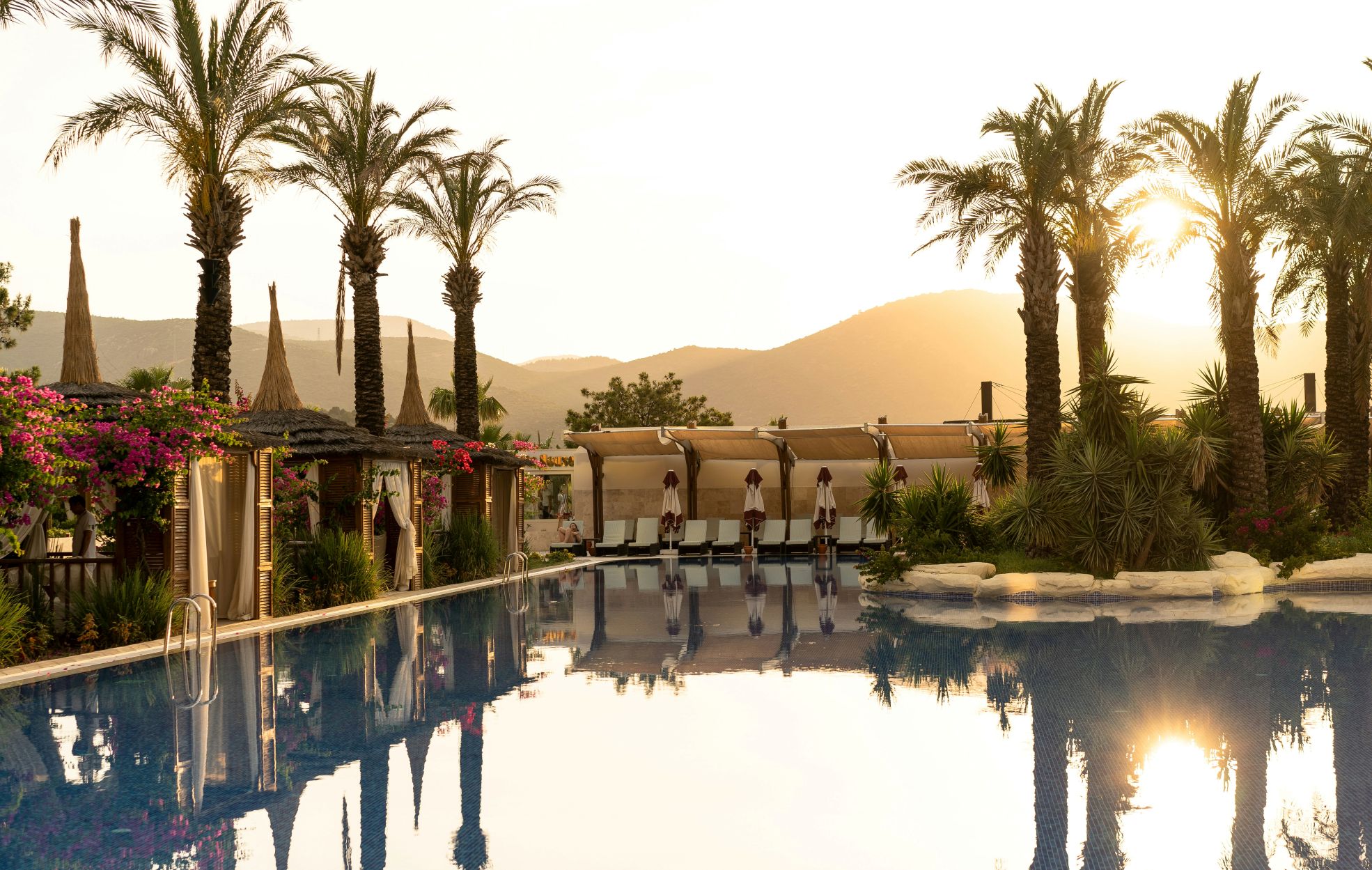
Mandarin Oriental, Bodrum remains a popular property for visitors. Set across a series of terraced hillsides with commanding views over the Aegean, it operates less like a conventional hotel and more like a low-density residential resort. Villas and private residences are integrated into the landscape, service is calibrated towards discretion, and security is unobtrusive but effective. For private jet travellers, the appeal is immediate: reliable service, controlled environments and proximity to the airport, typically a transfer of around 40 minutes, make it particularly well suited to both short stays and extended summer residencies.
Looking ahead, the next phase of development will push the market further. The planned arrival of Bvlgari Hotels & Resorts is especially noteworthy. Bvlgari’s portfolio is deliberately limited, with each property designed as a statement within its location - architecturally distinctive, highly private and positioned at the very top of the market. Its entry into Bodrum suggests confidence in the destination’s ability to sustain a more rarefied tier of luxury. Similarly, the forthcoming project from Shangri-La Group, scheduled for 2029, reinforces the same trajectory.
Timing your trip

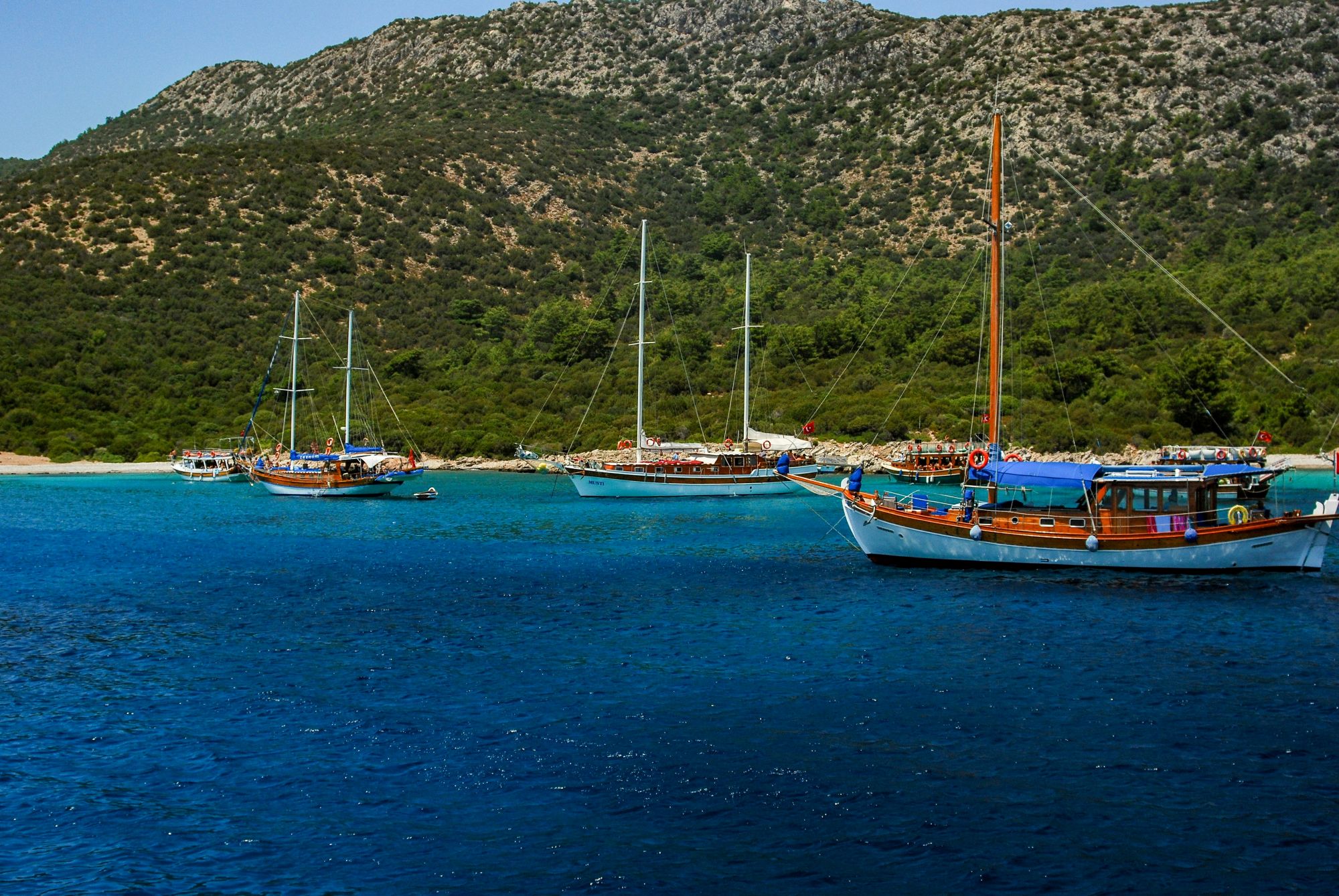
Bodrum’s season runs from May through to early October, with July and August representing the peak of activity. During this period, demand for both accommodation and private aviation intensifies significantly. Slots at Milas–Bodrum Airport are coordinated, and parking availability can become constrained.
For private jet users, Bodrum rewards forward planning. Aircraft, ground handling and accommodation are best secured in tandem, particularly for larger cabins or more complex itineraries. While last-minute movements are not impossible, they are increasingly subject to the same pressures seen in more established Mediterranean hubs.
For more information contact: info@flyvictor.com